Performance Add-Ons
Offered in partnership with Brit Cooper Performance
Physiological Profiling / Metabolic Testing
Are you looking to gain a competitive edge and get the most out of yourself as an athlete? We couldn’t recommend physiological profiling, also known as metabolic testing, more. Here’s why:
1. Identify Your Limiters
When you're chasing the best performance possible, knowing your limiters is actually a gift. Once you know what’s holding you back, you can do something about it.
Through VO₂ max testing, lactate testing, and analysis with INSCYD software, we can look “under the hood” at your engine. We all need to work on different things, and identifying your biggest opportunities for improvement is the first step toward moving the needle.
2. Plan Your Training
Combine knowledge of your limiters with the demands of your target race, and your training can take on a new level of individualization and precision.
Instead of simply training harder or adding more volume, you can use those precious training hours to develop the specific qualities most likely to improve your performance, while spending less time on work that adds fatigue without moving the needle.
3. Identify Your Training Zones
FTP and percentage-based training zones have their place, but they rely heavily on generalized assumptions about how one performance estimate translates to your broader physiology.
Case in point: In 2021, I had a 20-minute power number that predicted I could set the professional women’s bike course record at Ironman Arizona. Did I? No. I lacked the durability and metabolic efficiency to express that power over the course of a full-distance Ironman.
Physiological profiling helps us move beyond generalized estimates to establish more individualized training zones. This allows us to more precisely target training to create the desired adaptations.
4. Understand How the Disciplines Interact
If you’re a triathlete, the swim doesn't end when you get out of the water, and the bike doesn't end when you rack it in T2.
Every discipline creates a metabolic cost that carries into the next, known as interdisciplinary fatigue transfer. Understanding those interactions can inform both training and race-day strategy.
One elite short-course athlete raced World Cups on back-to-back weekends and went from a mid-pack finish to a top-10 finish without changing his underlying fitness. Instead, he raced more strategically by better understanding his engine and the demands of the race, starting the run in a much more favourable metabolic state and running 14:34 for 5km, compared with 15:12 the week before.
(Read his full story here.)
5. Pursue Your Potential
I wish I'd understood all of this sooner and been able to apply it in my own athletic journey! But I believe the next best thing is passing that knowledge forward.
That's why I travelled to Park City, Utah, to pursue advanced training in physiological profiling and metabolic testing with former Tour de France Head Coach Sebastian Weber and US Olympic Triathlon Coach Parker Spencer, who also works with professional middle- and long-distance triathletes.
Spencer recently collaborated with Sam Long, helping him achieve an impressive sixth-place finish in Kona. More on their work together here.
Our Performance Testing Services
In Vancouver, you can choose between field testing at the track or on your own bike using your current setup, or indoor testing at Enroute, which has a dedicated performance testing space. Inquire through our contact form to learn more!
Don't live in Vancouver? We can also provide a remote testing protocol and develop your physiological profile from afar. Reach out for a free consultation, and we'll walk you through the options!

Aero / CdA Optimization
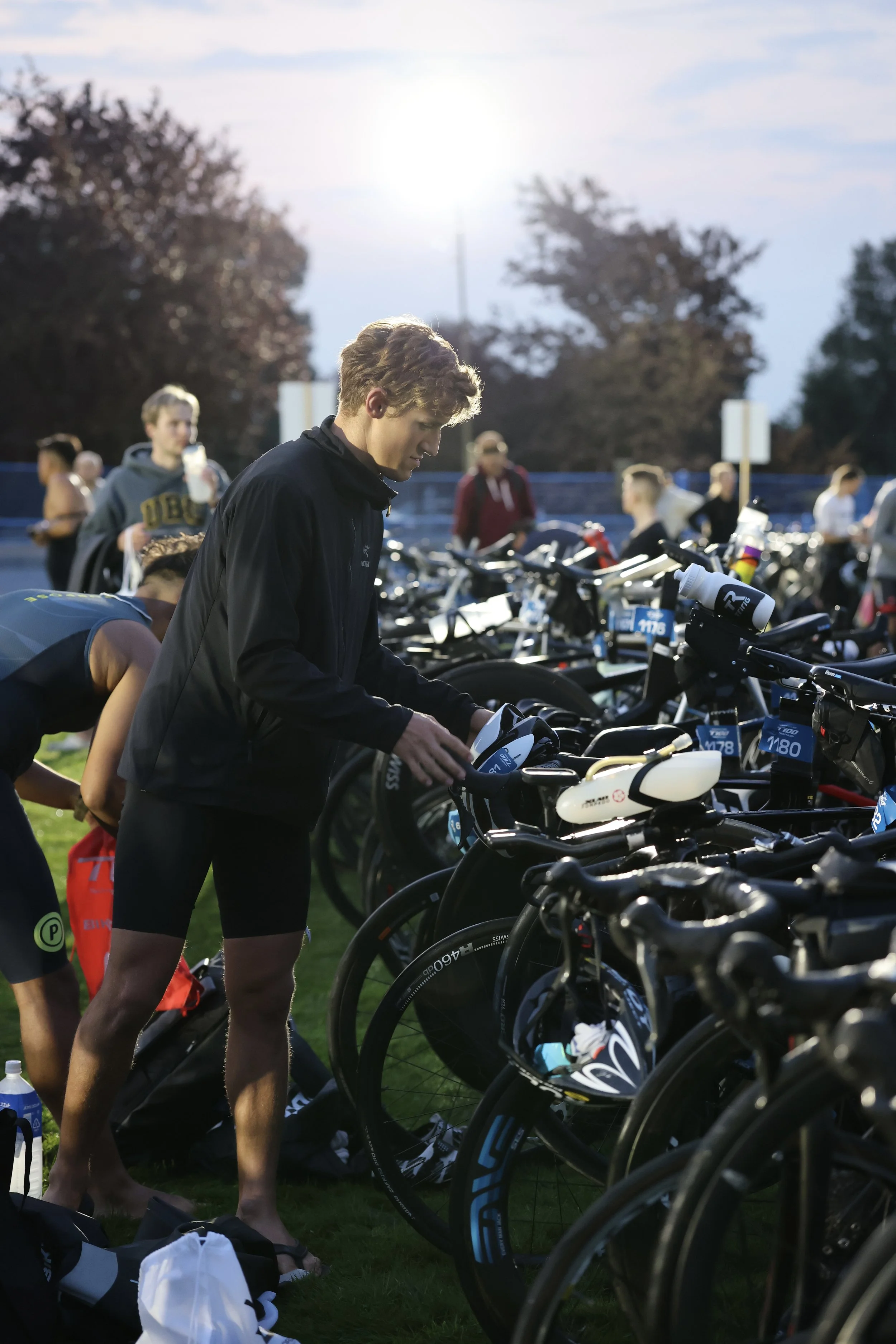
Physiological profiling helps you get more from your engine. Aero/CdA optimization tackles the other side of the equation: getting more speed from the fitness you already have.
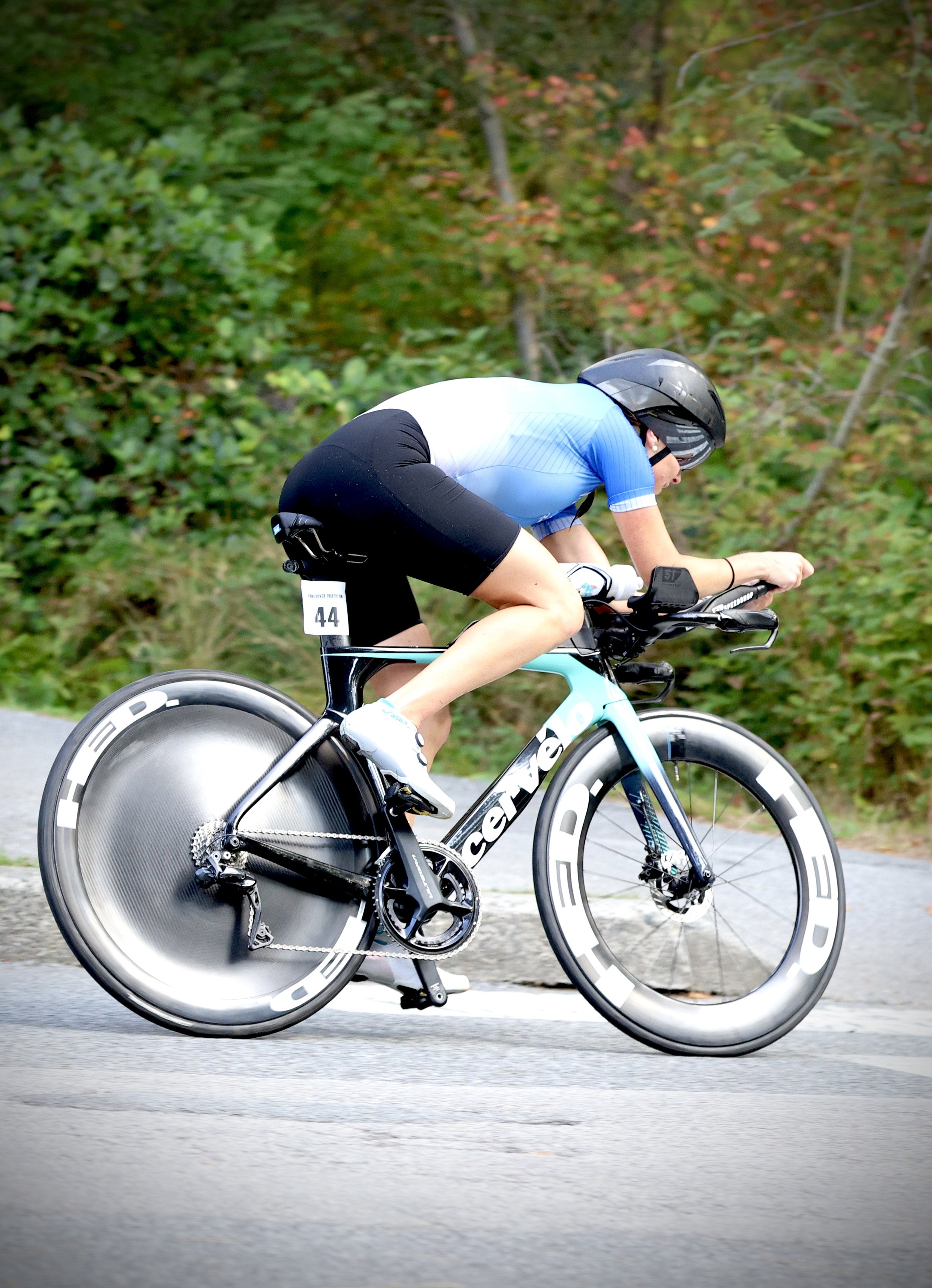
Using real-world field testing, we measure your aerodynamic drag (CdA) and assess how changes to your riding position and equipment affect what is fastest for you.
And that “for you” matters. Higher hands, lower hands, changes in reach, helmet choices, and other adjustments can affect athletes very differently. A position or setup that tests faster for one rider may be slower for another, which is why individualized testing matters.
We compare changes against your own aerodynamic data while also considering power production, comfort, and whether the position is sustainable for the demands of your race.
Inquire through our contact form to learn more!
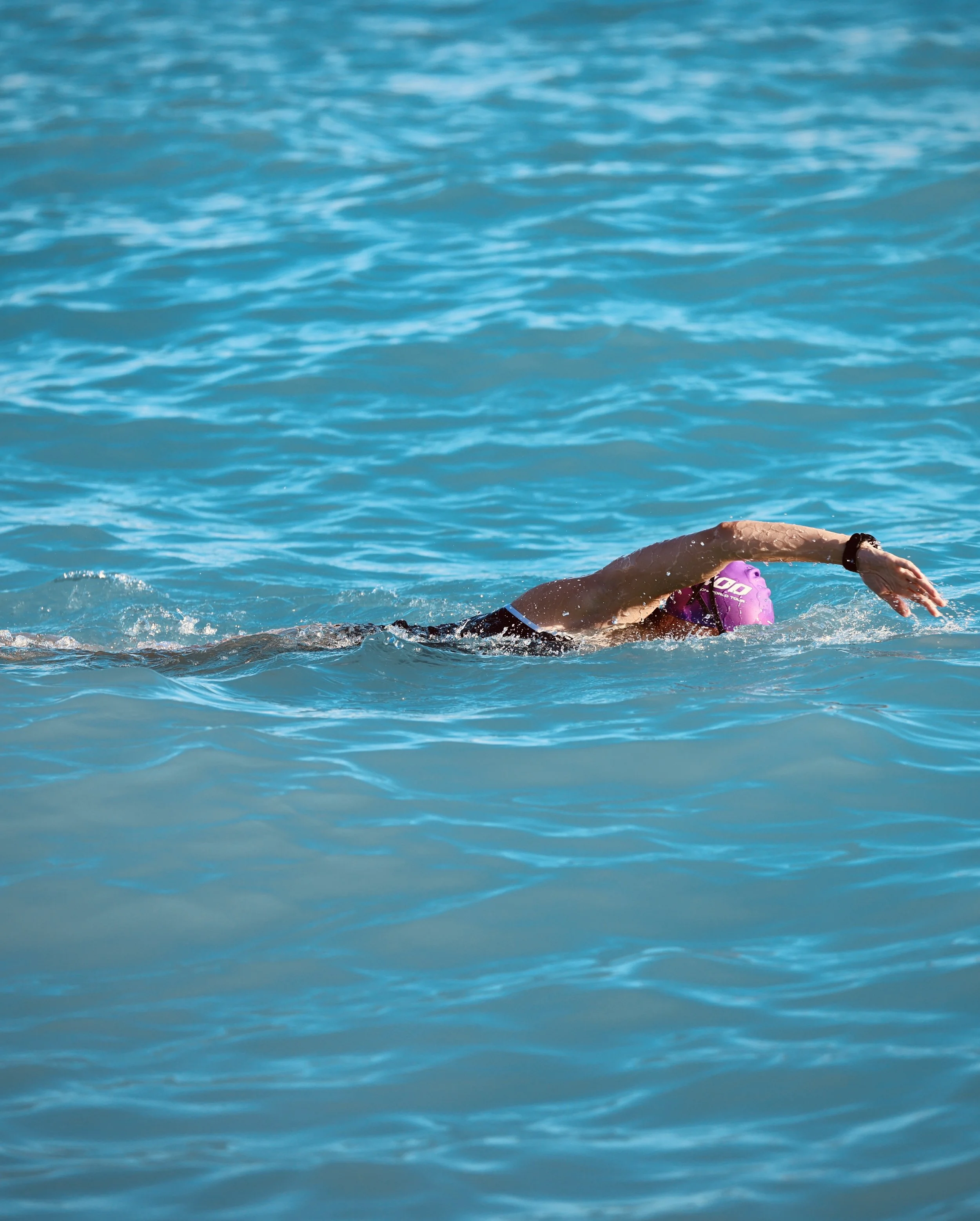
Swim Profiling
Coming in 2027! We currently offer bike and run physiological profiling, with swim profiling planned for 2027. Stay tuned!
What's holding back your swim: fitness or technique?
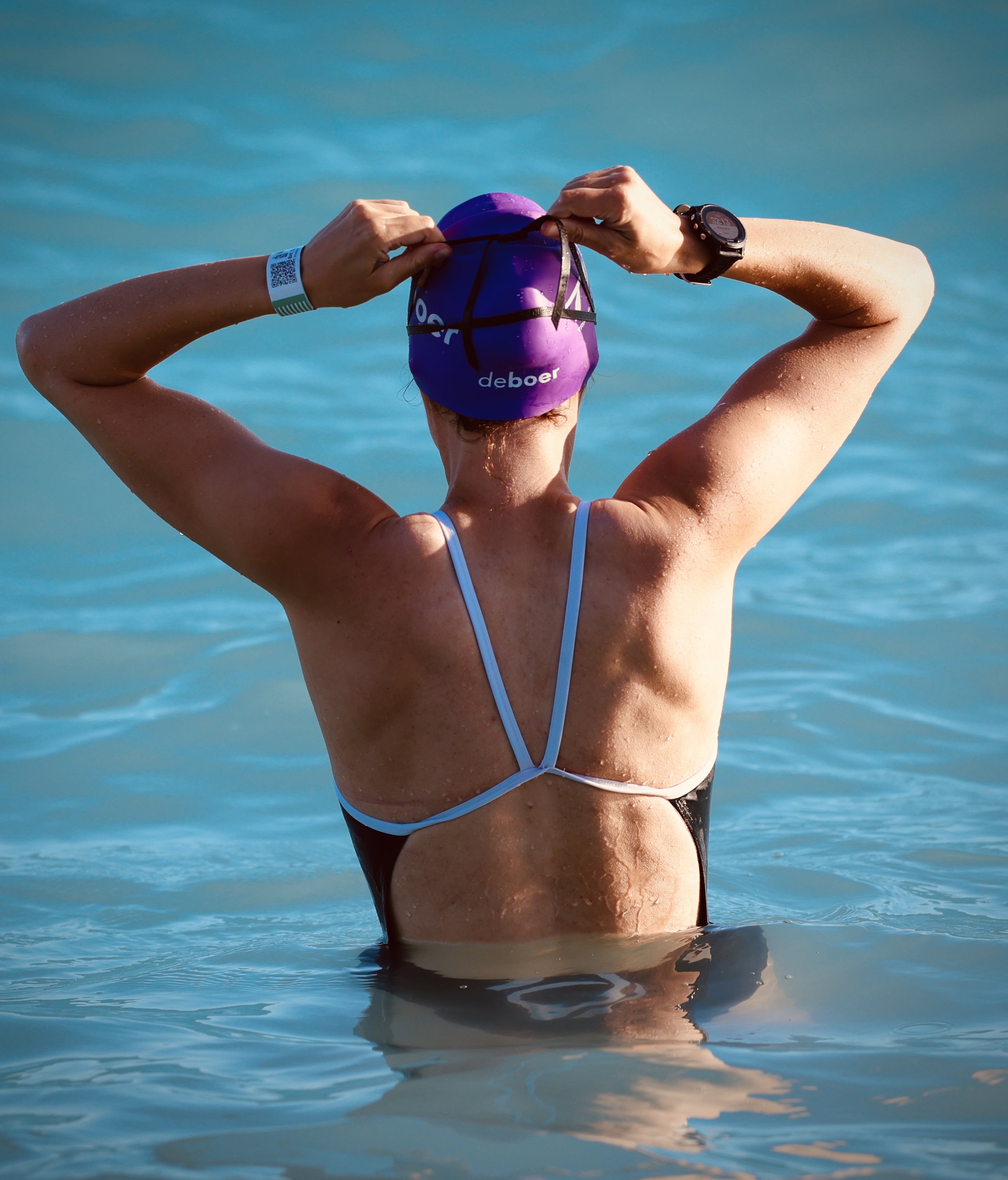
It's usually a combination of both, but swim-specific profiling can help determine the relative contribution of each to your overall swim performance.
This helps identify whether your biggest opportunity lies in developing your fitness through volume and targeted intervals, improving your technique so you move faster at a lower metabolic cost, or both.
And here's the cool part: we can track these factors independently over time, allowing us to see whether improvements are coming from a bigger engine, better swimming economy, or both, and continue to target your training accordingly.
A real-world example: During our training in Park City, we looked at an athlete who had been prescribed more volume in the water. Testing revealed that his swim-specific VO₂ max was already comparable to that of world-class triathletes. The problem? He was using roughly twice as much oxygen to swim at the same speed as the athletes he was racing.
His coach changed course, shifting the focus to a dedicated technique block. His limiter wasn't the size of his engine. It was his swimming economy.
One important note: VO₂ max is sport-specific. A high VO₂ max on the bike or run doesn't necessarily translate to the same aerobic capacity in the water, which is why swim-specific testing matters when assessing swim performance.