Physiological Profiling
What it is - and how it can make you faster.
The Science Can Help You…
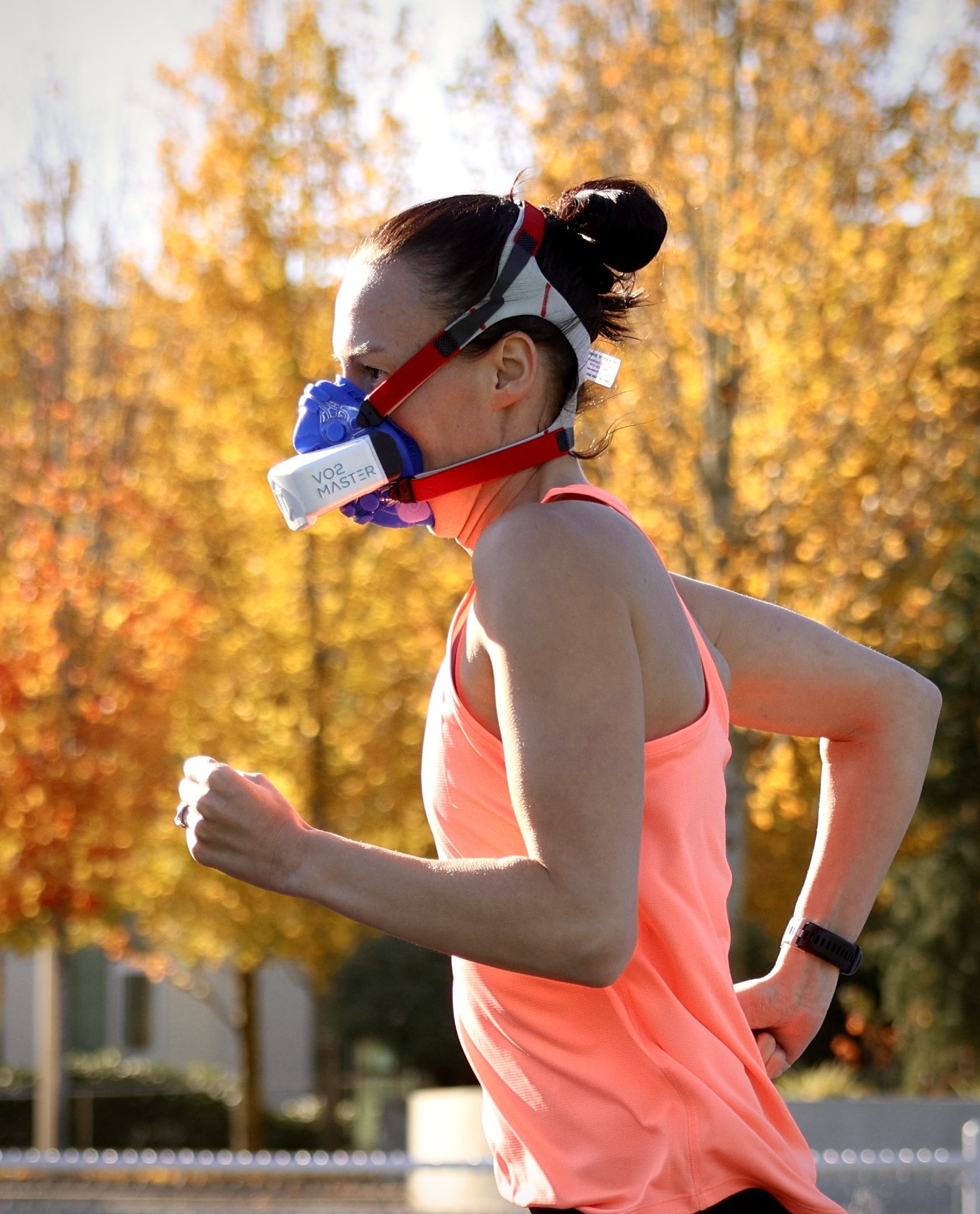
VO₂ max, lactate, training thresholds…we all hear the terms, loosely know what they mean, and even see “VO₂ max” show up on our Garmins! But here, we're talking about something much more precise and much more valuable. Something we genuinely believe can help you take your performance to the next level (and yes, many of the best athletes in the world are doing it!).
First, let's measure your aerobic engine.
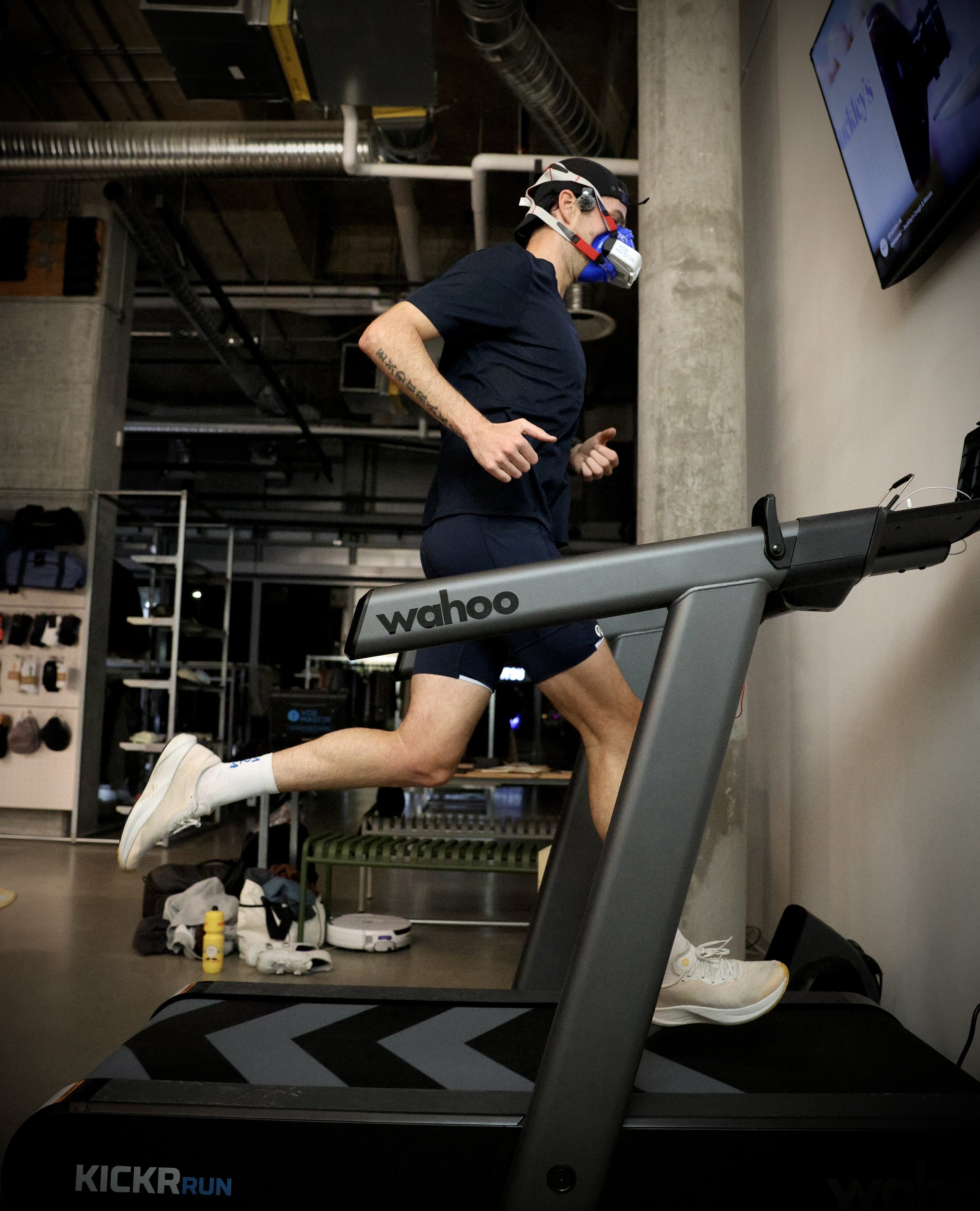
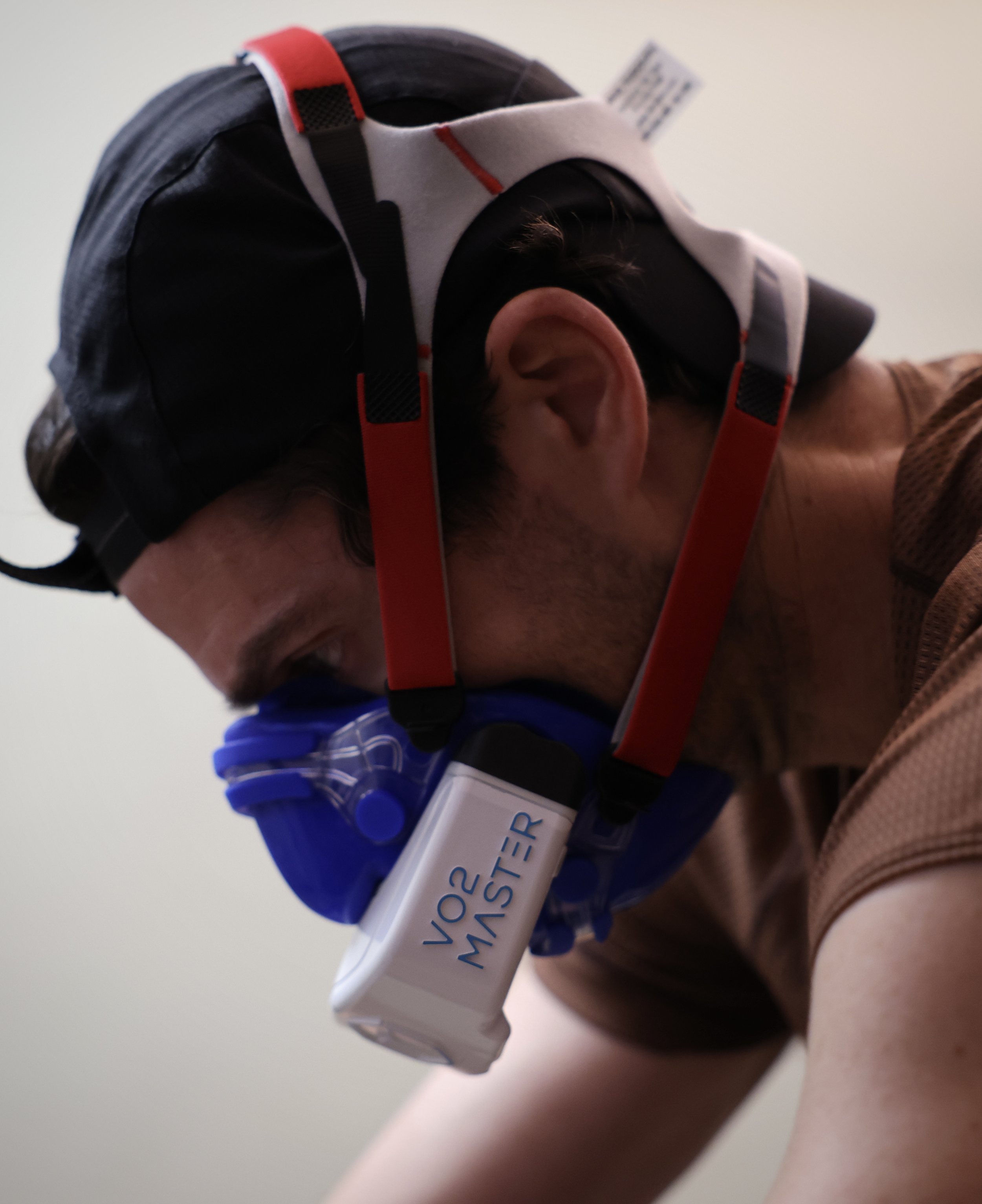
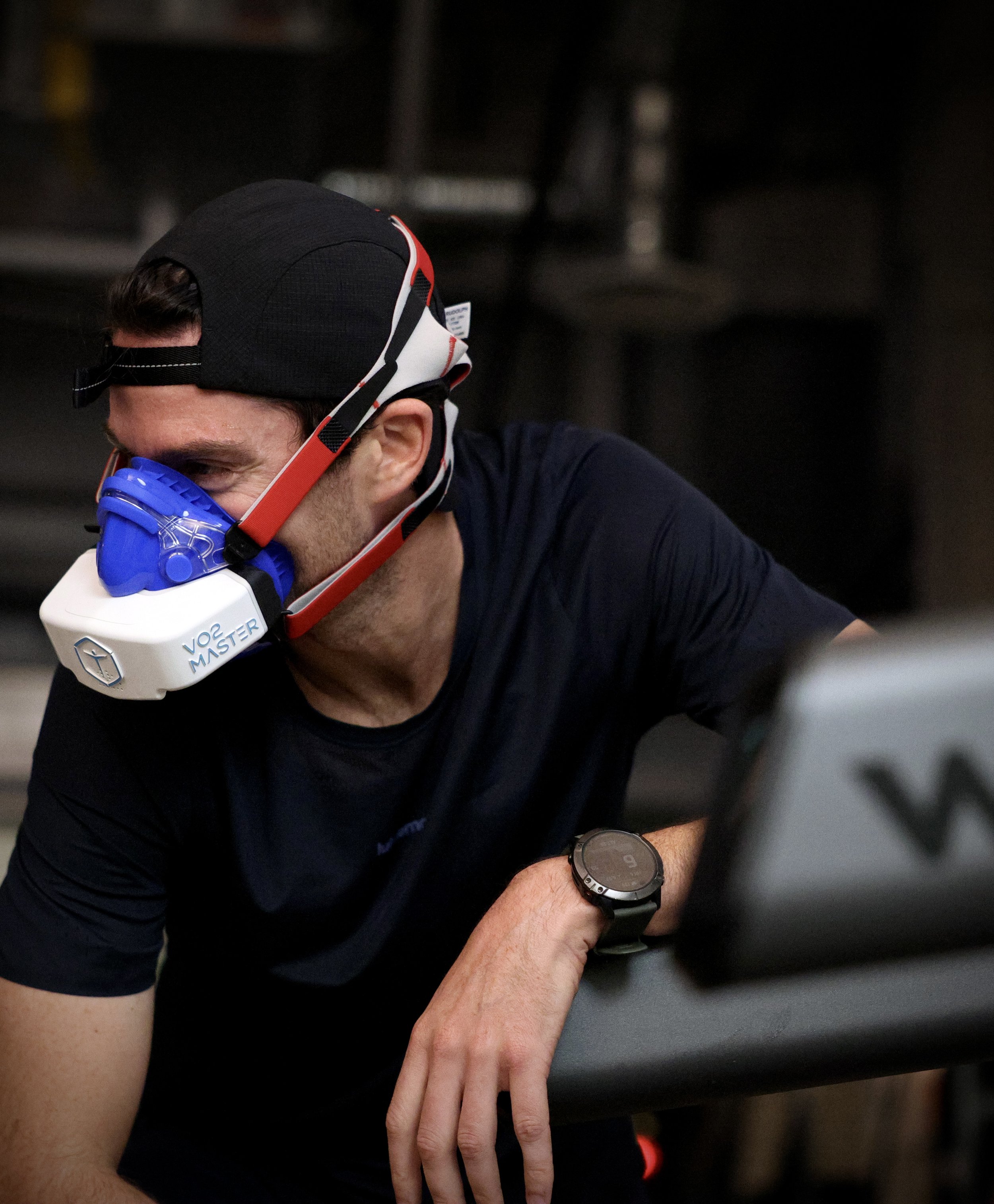
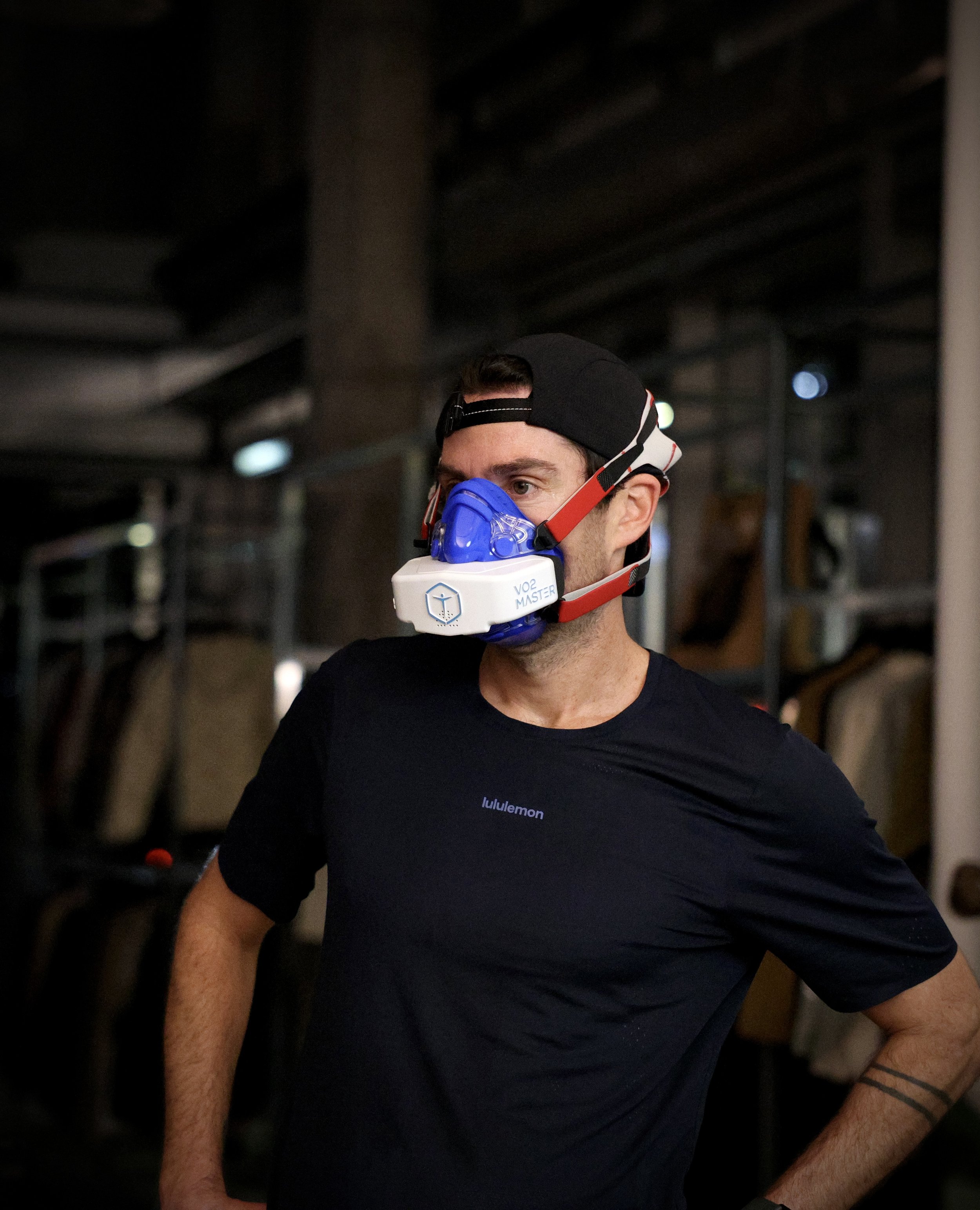
We can test your VO₂ max for real, and that's pretty cool! Rather than relying on an estimate from your watch, we measure how much oxygen your body uses during exercise. Think of VO₂ max as the size of your aerobic engine. Whether you're curious about your number or want to track fitness gains over time, it's an exciting measurement to have!
Next, let's understand what's happening under the hood.
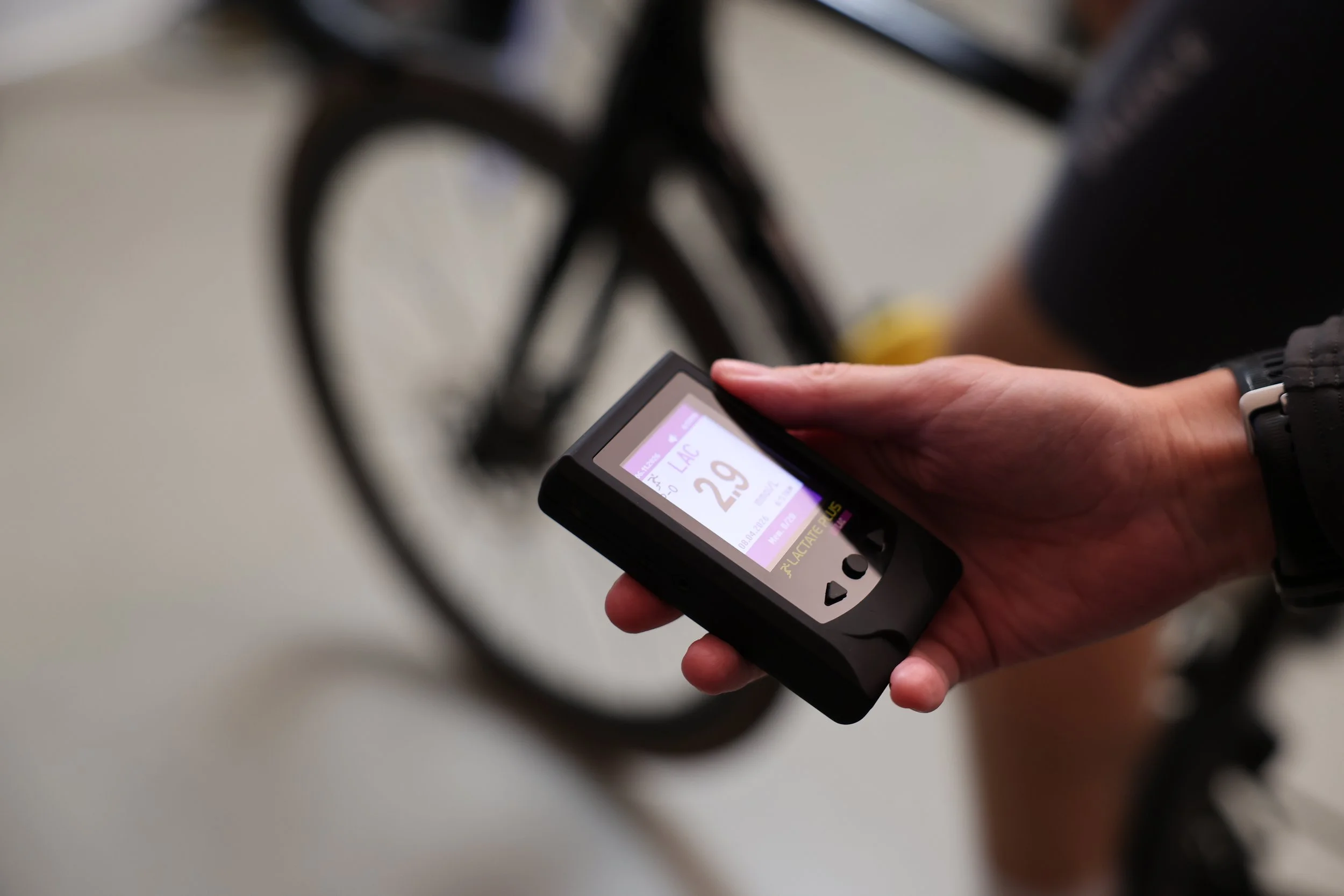
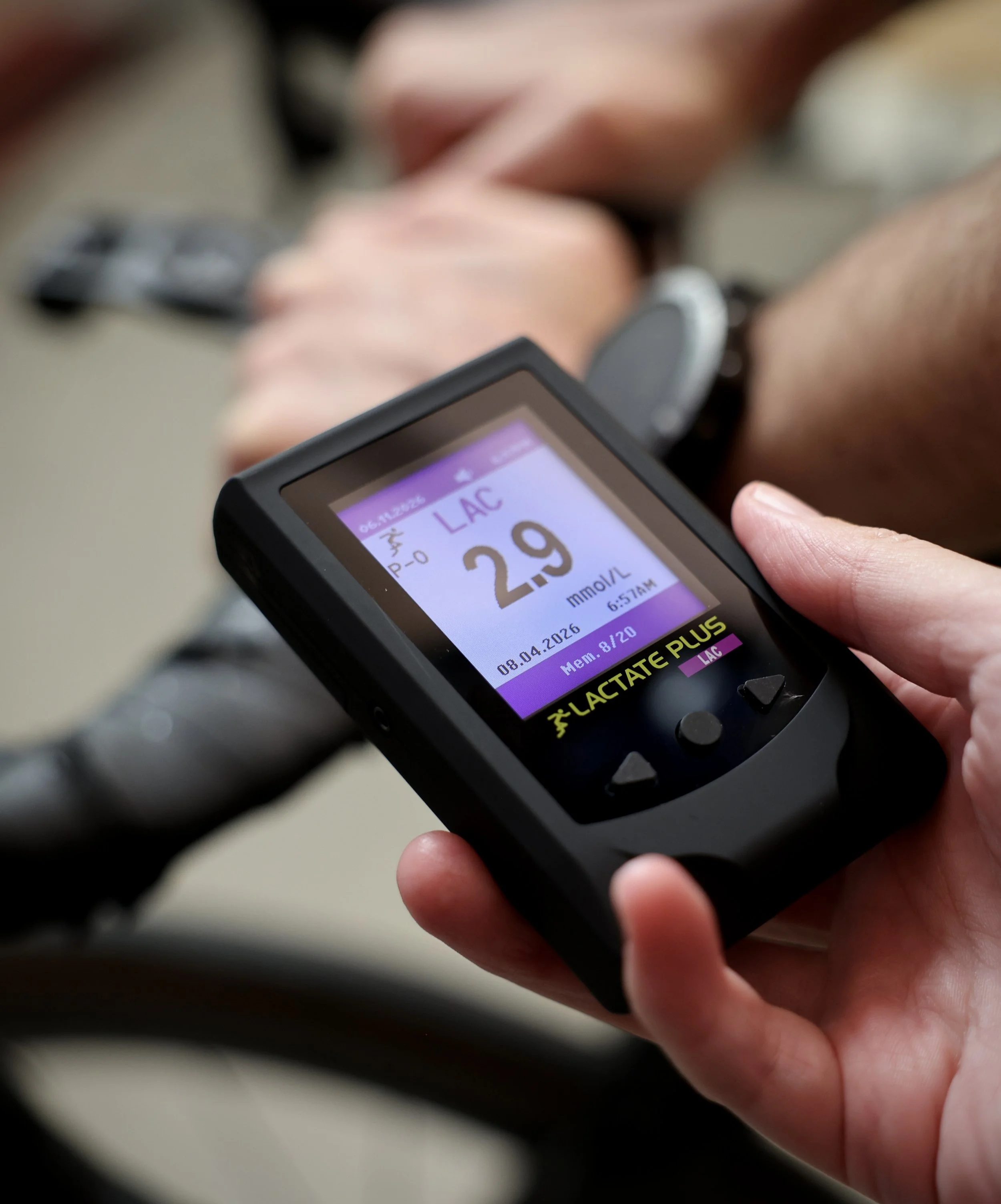
This is where the classic ear-prick lactate testing comes in. By measuring how blood lactate changes as exercise gets harder, we can identify your actual thresholds, establish personalized training zones, and better understand your sustainable pacing.
And my favourite part? Metabolic profiling.
I might be a little biased here! I travelled to Park City, Utah, to train with Sebastian Weber, former Tour de France Head Coach, and Parker Spencer, a US Olympic triathlon coach who also works with some of the world's best long-course athletes, including Sam Long and Rudy Von Berg.
Sebastian founded INSCYD, a physiological modelling platform that takes your testing data and goes even deeper. We can estimate how much carbohydrate and fat you burn at different intensities, identify your FatMax, assess your glycolytic capacity (VLaMax), and better understand the strengths and limitations of your unique physiology.
It's a fascinating look at how your body produces energy and where your training could make the biggest difference.
And we won't leave you to figure it all out on your own.
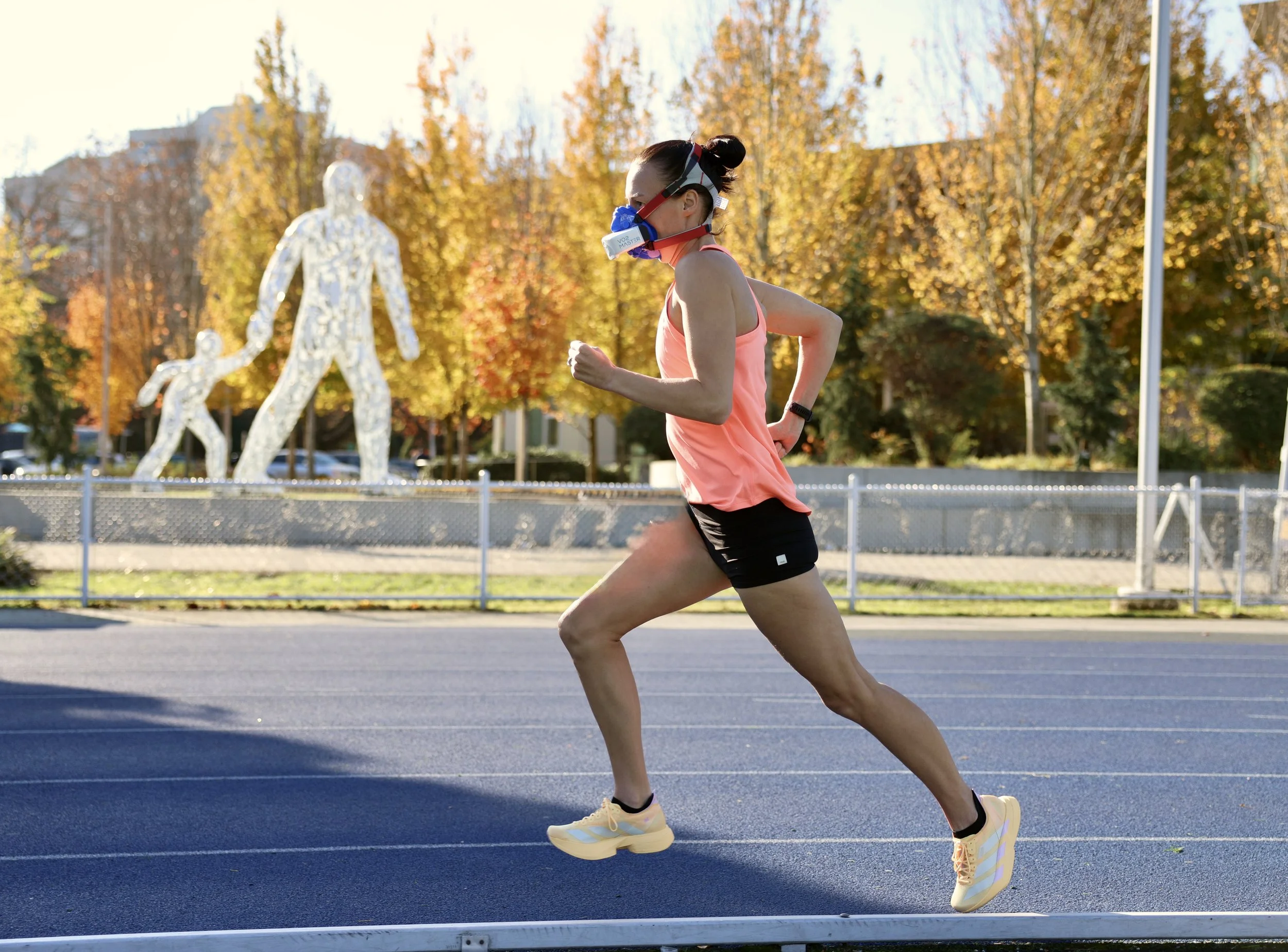
Testing sessions take approximately 40–50 minutes per discipline and can be completed at Enroute's in-store testing facility or in the field around Vancouver, including running on the track or riding your own bike.
For athletes who want to take the next step, we also offer an optional 45–60-minute coaching interpretation session.
We'll sit down with you (and your coach, if you have one!) to walk through your results, explain what they mean, and discuss how to apply the findings to your training, fuelling and race strategy.
Because ultimately, the exciting part isn't just collecting all this data. It's understanding how to use it to become a better athlete.
Real-world examples of why this matters…
I was training for Ironman Arizona in 2021, chasing my Kona qualification (KQ), and feeling pretty *** confident after a 20-minute “FTP test” predicted I'd break the women's professional bike course record if I rode at my projected Ironman power.
Did I? Not even close.
Why? Because 20min power is actually pretty low on the list of factors that correlate with full-distance Ironman performance.
Had I had access to this type of physiological testing, I could have better tailored my training to the actual demands of Ironman racing, improving not just my bike performance, but the run that followed.
Example 1: “FTP” is not the best predictor of Ironman performance
Testing can help you understand the relationship between your swim, bike, and run, also known as interdisciplinary fatigue transfer. When you understand the metabolic cost of each, you can strategize your pacing better - and your training, targeting your limiters.
Case in Point 1: A short-course athlete used his bike physiology data to revise his cycling tactics, taking 38 seconds off his race-day 5km (14:34) while riding at the same average power (just reducing the metabolic cost of his ride). Full story here.
Case in Point 2: Sam Long finished sixth in Kona after just six weeks of testing-informed changes with Parker Spencer, riding personal-best Ironman power and still running a 2:42 marathon. Full story here.
Example 2: Interdisciplinary fatigue transfer and optimized strategy
…it’s not just hype.
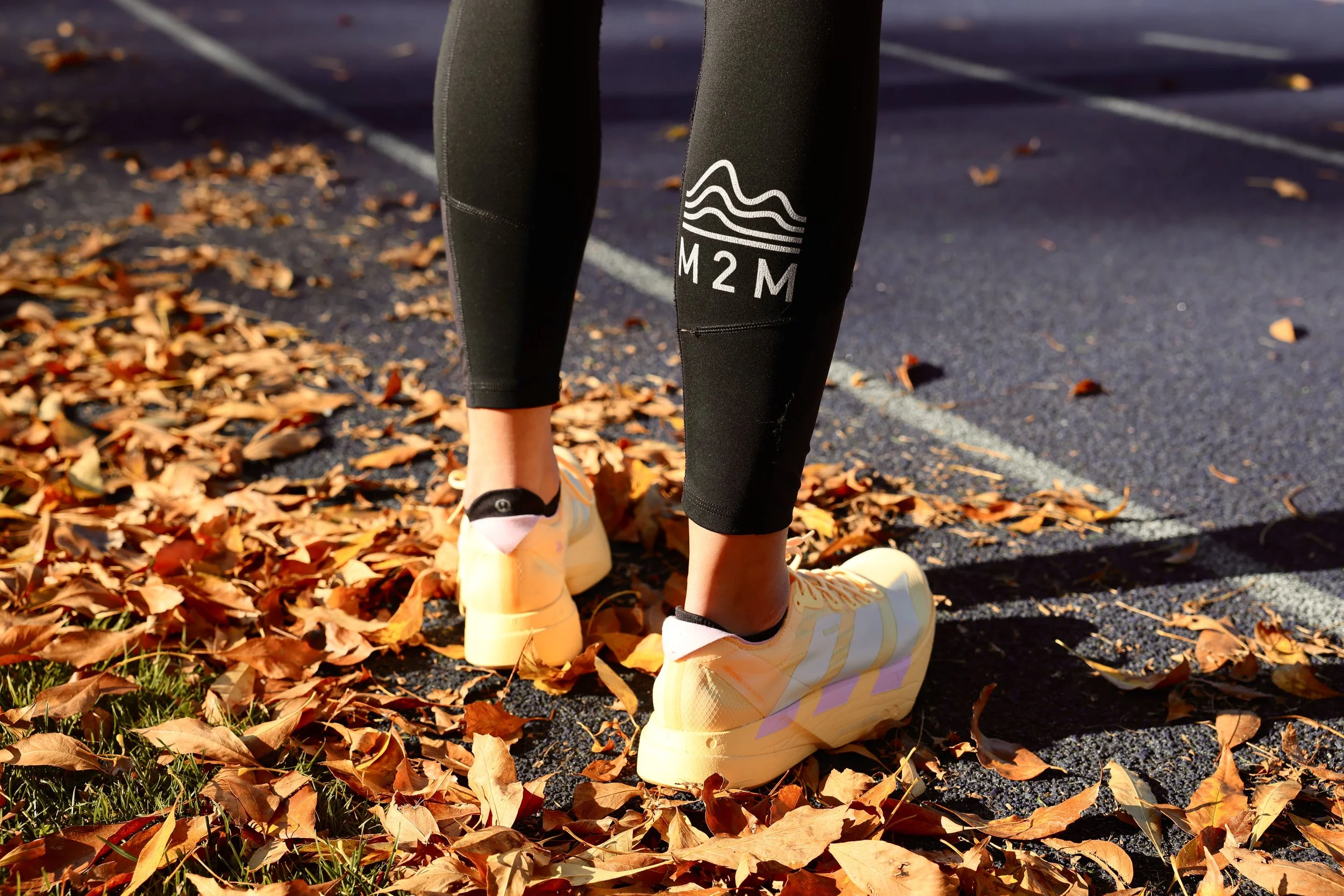
If you're anything like me, you love checking out all the latest super shoes hitting the market (and may even have your own collection!).
But which shoe is actually fastest?
The answer is surprisingly individual. Different super shoes complement different running strides, meaning the fastest shoe for one athlete isn't necessarily the fastest for another.
Rather than guessing (or just picking the pair you like the looks of best - though that is also fair!), running economy testing can give you real data to help identify which shoes make you the most efficient, and ultimately the fastest.
Example 3: Economy - and picking the fastest super shoes!
Book your testing session, choosing between in-studio testing at Enroute or field testing.
Swim Profiling
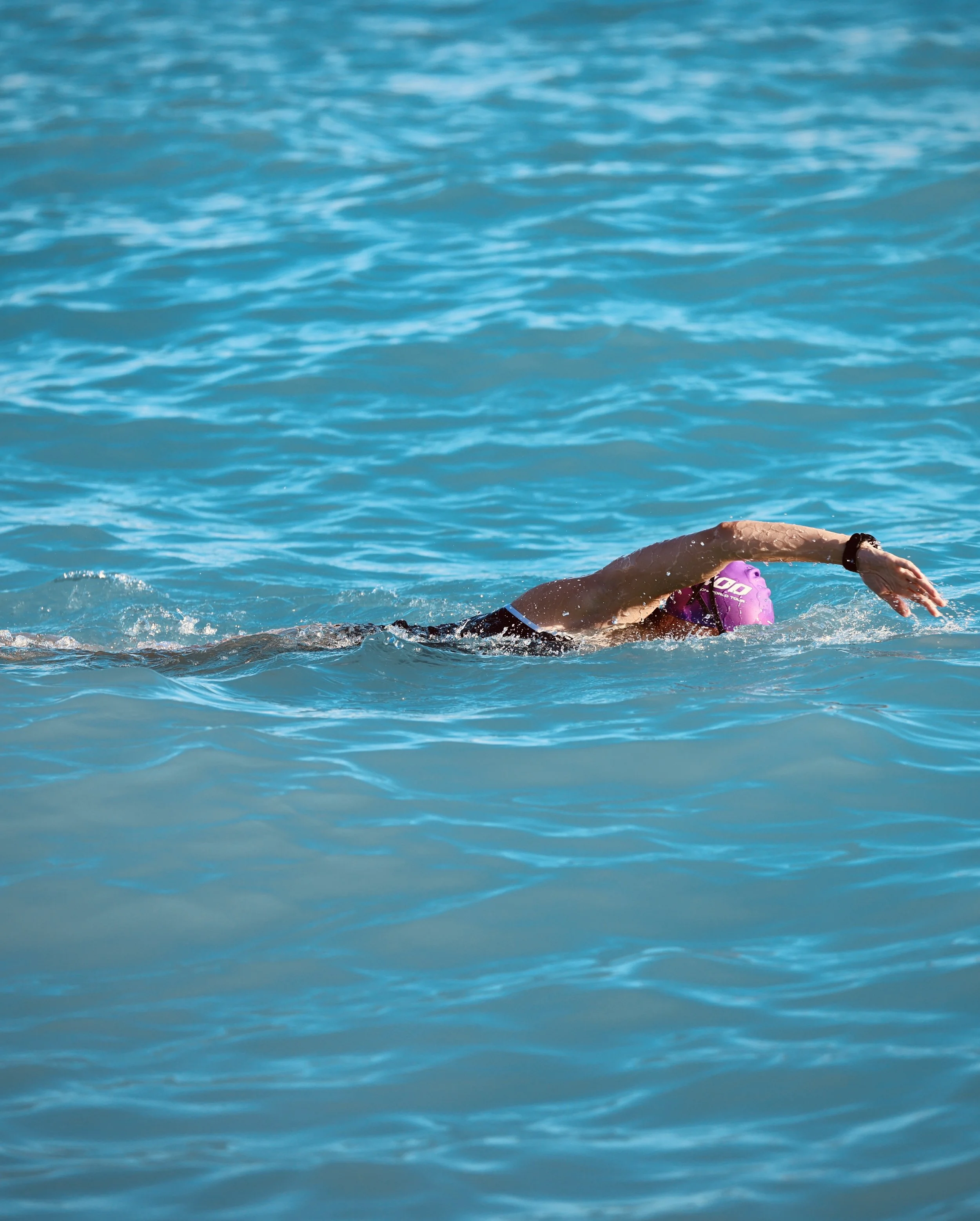
Coming in 2027! We currently offer bike and run physiological profiling, with swim profiling planned for 2027. Stay tuned!
To optimally serve triathletes, we ideally want to test across all three disciplines, repeating assessments at key points throughout the season. Interested? Send us a message and we'll keep you posted when swim testing launches!
Why Swim Profiling?
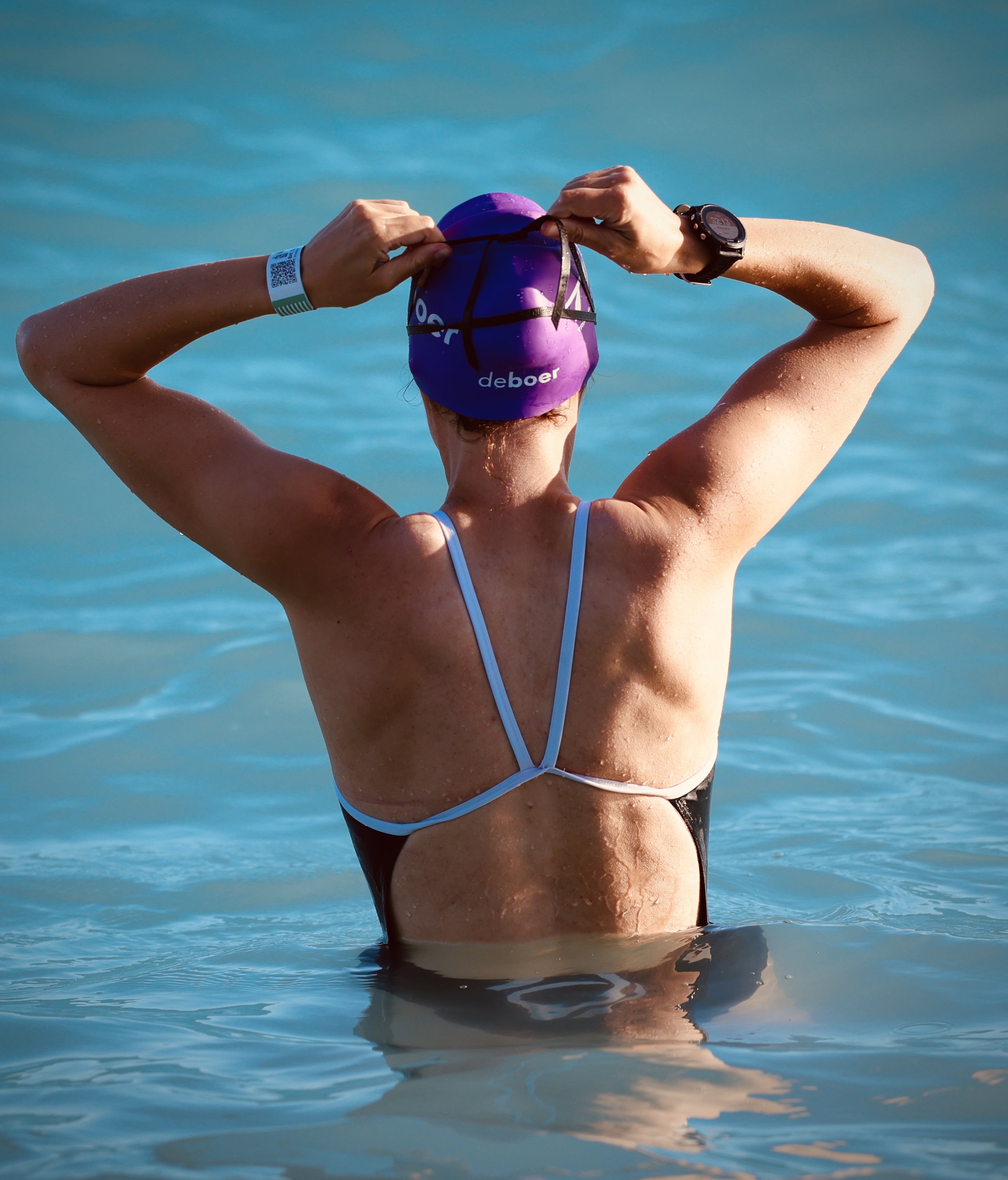
One of the most interesting things to assess in the water is economy and efficiency. That is, how much are you limited by the size of your engine (your fitness in the water, or swim-specific VO₂ max) versus your technique (how efficiently you're translating that fitness into forward movement)? We can then track improvements in each separately throughout the season!
For triathletes, we also want to test across all three disciplines to better understand what's called interdisciplinary fatigue transfer. That is, how what you do in the swim impacts your bike, which in turn impacts your run. This can help inform key focus areas for training, alongside your best race strategy, keeping the full picture of swim-bike-run in mind.